While Elon Musk Mentions Doge Improvements, Dogecoin Developers Continue to Address Scaling Concerns

On Sunday, Elon Musk discussed his relationship with the Dogecoin Foundation and he mentioned a few improvements he’d like to see implemented via Dogecoin Core’s codebase. Meanwhile, Git-hub metrics show developers have been working on Dogecoin Core during the last few months and it seems Dogecoin software engineers are prepping the network to address fees, transaction time, and mining.
Dogecoin Proponents Including Elon Musk Patiently Wait for a Fee Change Fix, Dogecoin Core Repo Has Been Active
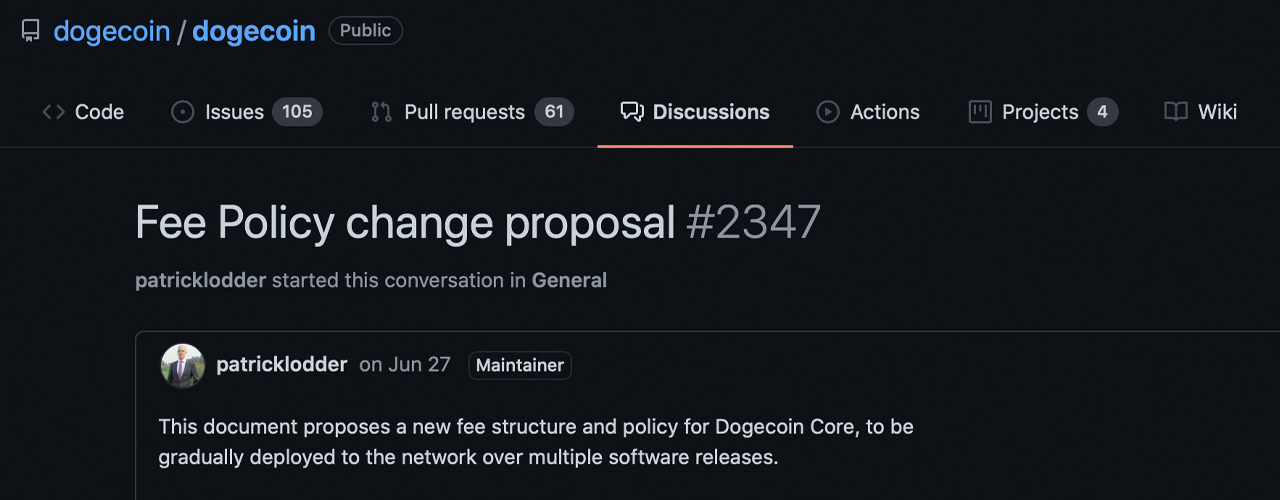
At the end of June, Tesla’s CEO Elon Musk tweeted about the fee change proposal added to the Dogecoin Core Git-hub repository. At the time, Musk said it was “important to support” it. The following week, people noticed that Dogecoin software developers Ross Nicoll and Patrick Lodder were maintaining the project and looking to add Musk’s suggestions. Lodder’s Dogecoin Core fee change proposal explained that the fix would be “gradually deployed to the network over multiple software releases.”
Ever since then, there’s been a lot more action happening in the Dogecoin Core Git-hub repo. 1000x.group metrics from the “Number of Developers Working on Specific Crypto Projects” tracker show that between August 2017 to January 2021, Dogecoin network development was a ghost town. In February 2021, 16 software engineers were working on the project, in May there were three developers. 1000x.group statistics show that 12 software developers contributed to Dogecoin Core in August.
Last Dogecoin Release ‘Part of a Two-Stage Update to Lower the Fee Recommendation
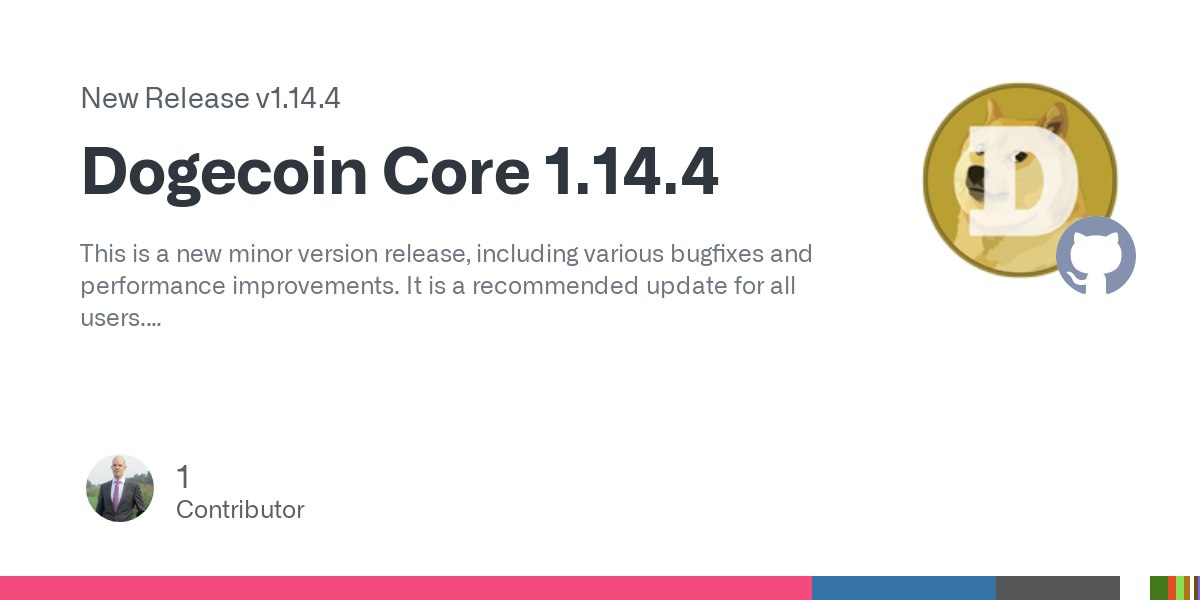
Looking at Dogecoin Core’s Git-hub repo indicates that Ross Nicoll and Patrick Lodder are still very active. Lodder dropped the release Dogecoin Core 1.14.4 on August 20, 2021. Lodder’s description of the 1.14.4 software notes that the release prepares the network for a reduction of the recommended fees. The action would reduce the “default fee requirement 1000x for transaction relay and 100x for mining.”
“At the same time, it increases freedom for miner, wallet, and node operators to agree on fees regardless of defaults coded into the Dogecoin Core software by solidifying fine-grained controls for operators to deviate from built-in defaults,” the Dogecoin Core 1.14.4 release notes written by Lodder explain
“This realizes the first part of a two-stage update to lower the fee recommendation – a follow-up release will implement the lower fee recommendation, once the network has adapted to the relay defaults introduced with this version of Dogecoin Core.”
In the Twitter thread with the Tesla CEO Elon Musk, the individual mentioned “NFT integrations” that looked “promising.” But many others agreed with Musk who was more interested in “lowering fees, decreasing block time & increasing block size.” Dogecoin’s co-creator Billy Markus agreed with Musk as well. “Yeah… IMO dogecoin being fast, scalable, and inexpensive to send around is all it needs to be, it doesn’t need to be yet another blockchain that hosts NFTs or other tokens or whatever,” Markus said. Tesla’s CEO agreed with the Dogecoin co-founder and replied with a 100% emoji.
From the looks of it, Dogecoin Core developers are preparing to address Musk’s scaling concerns. The Dogecoin community has supported Musk’s scaling idea for quite some time but almost once a week someone asks: “when will Dogecoin transaction fees drop?”
Comments
Post a Comment